
Retirement is a time of huge life changes. You’ll finally have the time to follow your dreams, free from the demands of work. How will you spend your retirement? Will you pursue your hobbies? Travel the world? Volunteer for a charity? The world truly is your oyster.
Retirement brings such a feeling of freedom. For many of us, it’s the first time since our childhood that we’ve had so few commitments. We don’t have to get up each morning to toil away and earn a living. No one can tell us we can’t take time out to take a cruise. The kids are grown up and living their own lives. You can do what you want when you retire, and that’s why it’s such a great time to move to an island, to improve your standard of living, at a time of life when you will most appreciate it.
If island life sounds appealing, then read on and find out more. In this article, you’ll learn about the best islands to live on after retirement, the factors you should consider when choosing an island to move to, the visa requirements for relocating to an island, and much more.
Why live on and Retire on an Island?
Time passes more slowly on an island, and retirement is the perfect time of life to chill and take it easy. Leave the stress of city life behind and enjoy a more relaxed pace of life. It’s what you deserve!
Island life delivers a wealth of benefits
Retiring on an island can have many benefits, like potentially lower cost of living depending on location, daily expenses, and lifestyle. It can also offer a better and healthier standard of living. Retiring on an island could also mean better tax conditions, as many islands have reduced tax conditions and eliminated income tax for retirees.
There’s the climate to consider and the positive impact on your health that sunshine and fresh air can bring. Choose an island with plenty of sunshine and you’ll benefit from an abundance of vitamin D. Plus, you’ll have plenty of time on your hands to get out and enjoy the local scenery. When the sun shines, you’ll be spending time outdoors, hiking, playing sports, and taking in that clean, pure air. Swapping out polluted city air and cold winters for sunshine and fresh air certainly makes sense from a health perspective.
In conclusion, island life translates into a slower pace of living, which can have a positive impact on one’s health. There are a lot of outdoor activities, a lot of nature, and beautiful scenery
All these benefits can be very attractive for retirees from all over the world, making islands at the top of the list for places to retire in.
Choose with your head as well as your heart
But while island retirement may be the best decision you’ll ever make, it’s not one to take lightly. Relocating overseas is a big move, so it’s important to consider the challenges alongside the advantages. If you have family back in your home country, you may want to visit regularly, so you will need to make sure the island you choose has transport links that are sufficient for your needs. As we get older, we may also depend more on local healthcare facilities, so you should also take a look at the medical services available before you make your final decision.
It can be tempting to get carried away with the dream, but you need to be sensible. An island that is too remote may not be the ideal option, even if it looks idyllic. Take your time, weigh up the pros and cons, and you’ll make the right decision for a fantastic island retirement.
How to Choose the Right Island for Retirement
When you’re looking for the best islands to move to and start over, there’s a lot to think about. Perhaps you’re looking for what is the cheapest island to live on, or the safest islands to live on, or islands where you can speak English? Everyone has different requirements, but with careful consideration, you can find your personal island paradise.
Let’s make it easier for you with a checklist of pointers to consider when you’re looking for the best islands to live on, that will perfectly meet your needs…
Climate
The climate you prefer is very much a personal choice. Some people dream of scorching hot sunshine every day, while others much prefer milder weather. You can easily search online and find out the average temperatures for any island you’re considering, but there are other factors at play, too. While you may love the heat, you might not cope well with high humidity, and you should also bear in mind that some countries experience severe weather conditions that you may not be used to, for example, you may think you’ve found the best Caribbean island to retire to, but be unaware that this area is prone to hurricanes and tropical storms. If you’re from a country such as the UK that just doesn’t suffer from severe weather like this, it can come as a shock. Are you prepared to deal with this, or would you prefer to choose another island to move to? If the thought of living with the threat of hurricane season worries you, perhaps instead of relocating to the Caribbean, you should be looking at the best islands to live on in Europe.
Safety
Perhaps the most vital factor to consider is your safety and that of your loved ones. Some exotic-sounding islands may at first glance look like affordable tropical places to live, but do your research; property prices may be low due to high crime rates or political instability. You want peace of mind in your retirement, and you need to feel safe in your own home as you grow older.
Language barriers
Living on an island is not like visiting for a holiday. Simple, everyday tasks can become overly complicated when you cannot speak the native language. You may be fine to order a coffee, but could you navigate the language well enough to speak to the electricity company to inquire about an incorrect bill, or accurately describe your symptoms to a doctor? Not understanding the language can also make it harder to make friends, which can be important in a new place.
If you’re not adept at learning new languages, you may wish to choose to move to an island where English is widely spoken, such as many of the islands in Europe, or one of the English-speaking Caribbean islands.
The cost of living and property prices
You’ll also need to think about affordability. Will you be buying a property or renting one? Consider your lifestyle. Do you love decadent meals out and extravagant shopping trips, or do you prefer locally-produced home-cooked food and a simpler life? Some of the best islands to live on in Europe can command quite high prices for everyday products. Remember, almost everything on an island has to be imported, so costs can be much higher than on the mainland.
Community
Feeling part of the community can be very comforting when you’ve moved to an island overseas. Are you keen to integrate with the locals, or would you prefer to be part of an expat community? It’s always a good idea to spend some time in the area to get a feel for the community, the people, and the area. Taking an extended trip, perhaps renting a property outside of any major tourist areas, can help you to better understand what it’s like to live on the island permanently rather than visiting as a holidaymaker.
Ease of relocating
Another very important factor is how complex it’s going to be to make your island living dreams come true. Some of the best islands to live on can come with some complicated requirements for residency. Often it’s worth the time and effort, but you’ll need to work out if you fit the criteria. Every island is different, with different entry requirements. You’ll also need to factor in distance and the costs of transporting your belongings if you plan to take a lot of possessions with you.
Best Islands to Retire to in 2026
Here is just a small selection of some of the best islands to live on when you retire…
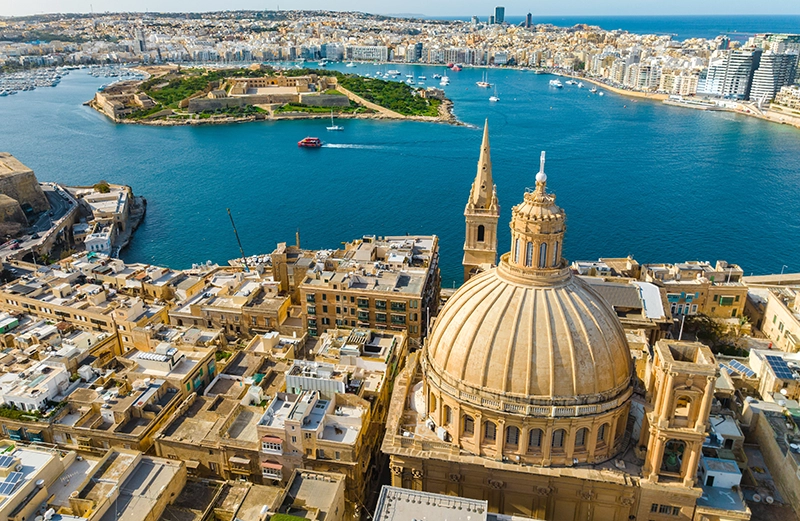
1. Malta
Malta, in the Mediterranean Sea, offers excellent transport links to the UK and Europe, and most residents speak English.
The benefits of moving to Malta:
- A large expat community: 1 out of 5 people in Malta is an expat
- A low crime rate makes it one of the safest islands to live on
- A politically stable country in the EU
- A good healthcare system
Possible challenges:
- Blending in the culture and possible language barriers
- Finding suitable accommodation
- It can be overcrowded with a challenging infrastructure
The average monthly cost of living:
in Malta is anywhere between $800 to $1600 (€700 to €1,500), which can vary greatly depending on your lifestyle and your location.
Visa and residency information:
- The Malta Retirement Program (MRP) is a program that is designed to attract retirees from all over the world who are not in employment and have a pension as a regular source of income
- Beneficiaries of this program can hold a non-executive role on the board of a Malta-based company. However, they cannot be employed by the company in any other capacity
- You must own a property with a minimum value of $316,000 (€275,000) or pay an annual rent of $11,000 (€9,600)
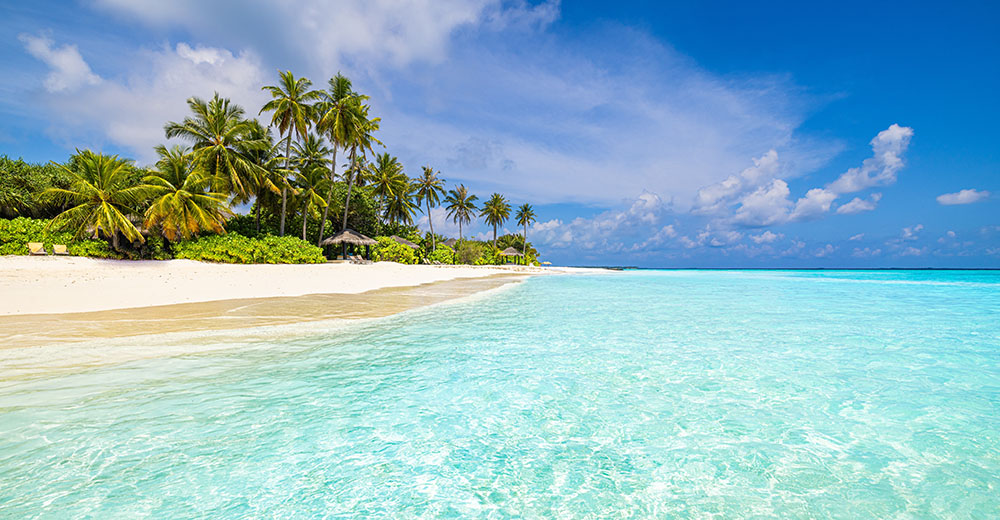
2. Barbados
Some say that Barbados is the best Caribbean island to retire in, and it certainly has a lot going for it.
The benefits of moving to Barbados:
- One of the best tropical places to live, with a climate that’s perfect for people who enjoy the sun
- A good healthcare system
- The expat community increases in size year after year
- English is widely spoken
Possible challenges:
- Risk of hurricanes and extreme weather conditions
- High demand for housing, hence high cost of rent
- High cost of living mainly because of rent prices ranging between $2000 to $4000 (€1700 to €3,500)
Visa and residency information:
- The Barbados Retirement Program provides a renewable Special Entry Permit for individuals aged 60 and over who have a steady and reliable income.
- A separate option, the Special Entry and Reside Permit (SERP), offers a fast-track residency route for high-net-worth individuals.
- Those living in Barbados on a valid visa may later apply for permanent residency.
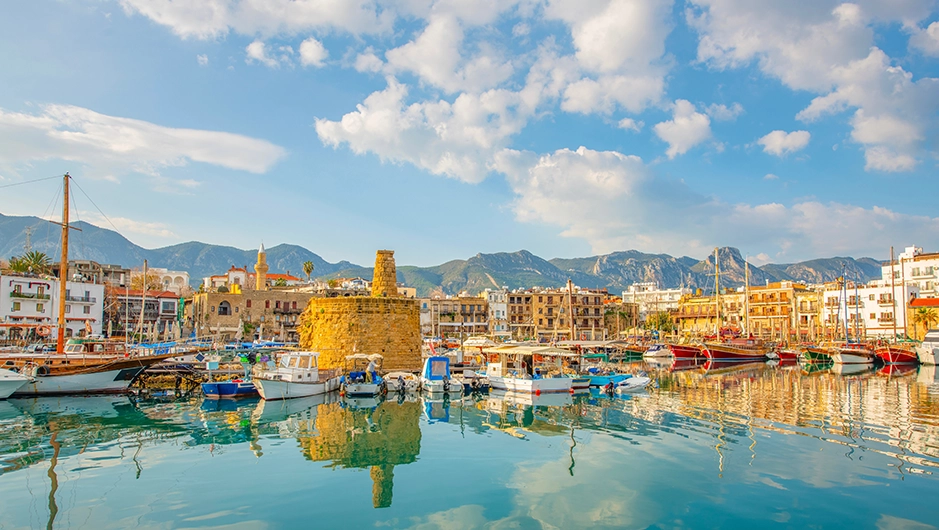
3. Cyprus
Located in the heart of the Mediterranean, at the crossroads of three continents, Cyprus is an excellent choice for those looking to explore and travel in their retirement.
The benefits of moving to Cyprus:
- Over 300 days of sunshine per year
- A relaxed pace of life
- A well-established expat community
- World-class healthcare facilities
Possible challenges:
- High temperatures in the summer can be problematic for some
- Public transport may be limited in rural areas, a consideration for those who are unable to drive
The monthly average cost of living in Cyprus is $2000 to $2400 (€1,800 to €2,000). With rent being the most significant expense.
Visa and residency information:
While Cyprus does not have a specific retirement program, applicants can apply for Category F residency. Residency requirements are comparatively low, requiring an annual income of at least $11,000 or €9,568 for the applicant.
A fast-track option is also available for those purchasing property worth €300,000 (plus VAT) or more; however, the income requirements for this option are higher at €50,000, as it is not specifically aimed at retirees.
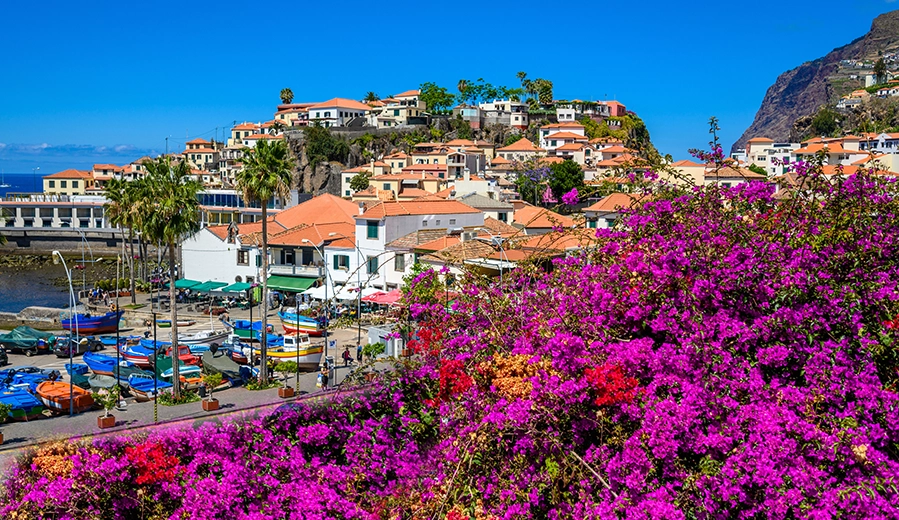
4. Madeira
This beautiful island off the coast of Portugal offers scenic living and a mild climate.
The benefits of moving to Madeira:
- Perfect for those who love outdoor activities
- Mild weather with no extreme temperatures
- A well-established expat community
- Reliable utilities and public transport
Possible challenges:
- Property rental costs can be quite high
- English is not very commonly spoken
- Limited access to mainland Portugal
The average monthly cost of living in Madeira is $2000 to $2,800 (€1,838 to €2,000)
Visa and residency information:
- Retirees can apply for the D7 Portugal Passive Income Visa with a minimum of $11,322 (€9,840) of annual income
- After 5 years holding a D7 Visa, residents can apply for permanent residency or citizenship
- D7 Visa holders also benefit from Visa-free travel throughout the Schengen Area
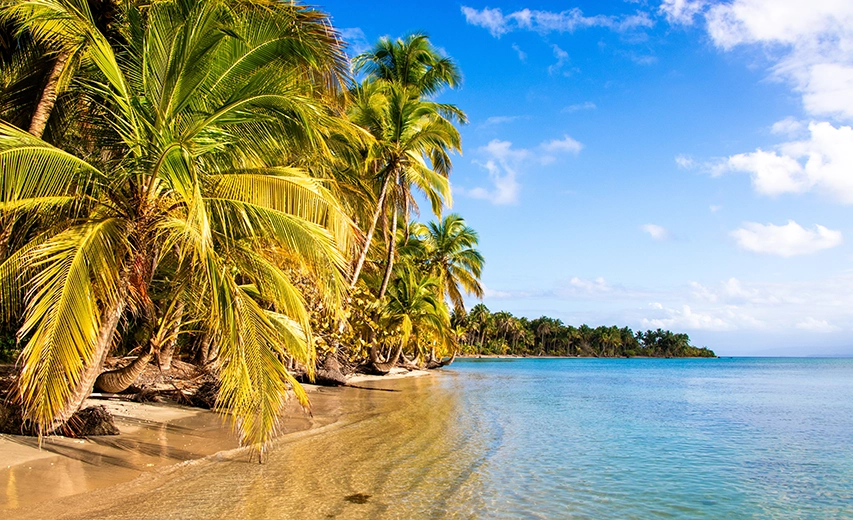
5. Colón Island
If you’re looking to truly get away from it all, then this tropical paradise in Panama could be one of the best places to live outside the U.S., where English is spoken.
The benefits of moving to Colón Island:
- With its palm trees, unspoilt white sand beaches, and tropical climate, Colón Island is considered by some to be the best Caribbean island to live on because it offers all-year-round holiday vibes
- Excellent for water sports
- Remote villages and lively tourist towns offer the best of both worlds
Possible challenges:
- Access to healthcare facilities may be limited on the island
- Power outages are not uncommon
- Higher cost of living compared to the mainland
The average monthly cost of living in Colón Island is $1,500 to $2,700 (€1700 to €3,100)
Visa and residency information:
There is no specific retirement program in Colón Island. To be able to get residency, a monthly retirement or pension income of at least $750 is required if you purchase property in Panama valued at $100,000 or more.
The income must come from a pension or retirement fund.
It should be issued by either:
- A government agency, or
- A regulated private retirement company (in this case, extra documents may be needed).
Budget Breakdown – Working out What Retiring on an Island Might Cost
Can you afford to make your dream a reality? Prices will differ depending on which island you choose to live on, but unless you’re seeking a particularly lavish lifestyle in retirement, you’ll find plenty of affordable places to live if you do your research and discover which is the cheapest island to live on.
Your lifestyle has a big impact on your monthly living costs. Choosing a lavish lifestyle, such as eating out often, enjoying costly hobbies, or buying premium items, will naturally increase your expenses.
In contrast, a minimalist or efficient lifestyle that focuses on essentials will help keep costs lower.
Expenses to consider:
- Rent or the cost of purchasing a property, including its size and location
- Utilities, including Internet access
- Healthcare, including lifestyle and preventative care
- Food and drinks, including if you eat out or at home, including groceries to cook at home
- Costs of transportation, and whether you are using private or public transport, or running a vehicle
So, when thinking about how much does the cheapest island cost to live on compared to the most expensive? When you take everything into consideration, living on an island is going to cost anywhere from $800 to $4,000, depending on location and your expected standard of living.
| Island | Average monthly cost |
| Malta | $800 to $1600 |
| Barbados | $2000 to $4000 |
| Cyprus | $2000 to $2400 |
| Madeira | $2000 to $2,800 |
| Colón Island | $1,500 to $2,700 |
Healthcare on Island Destinations
As we age, we are more prone to issues with our health, and so good healthcare is something you really need to consider when moving to an island. Some islands, such as those in the Caribbean and Southeast Asia, may only be able to offer basic healthcare. Some islands offer public healthcare services, while others will require private medical insurance, which can be costly.
On the flip side, medical tourism is on the rise due to high-quality, low-cost healthcare services available on islands such as Cyprus. Choose wisely, and you may find that dental treatment and surgical procedures are actually much more affordable than in your home country.
| Island | Access to healthcare facilities on the island or the mainland | Insurance type |
| Malta | Both the island and mainland | Public insurance is available to all residents |
| Barbados | Both the island and the mainland | Public insurance is available to all residents |
| Cyprus | Both the island and the mainland | Public insurance is available to all residents |
| Madeira | Both the island and the mainland | Public insurance is available to all residents |
| Colón Island | Limited access on the Island | Public insurance is available through the Ministry of Health |
Legal Residency and Visa Requirements
Fulfilling your dreams of an island retirement will usually involve securing a visa. Many islands have a special visa program for pensioners looking to stay longer term, alongside Residency by Investment programs for retirees who choose to make the island their permanent home.
There are many schemes, and they’re all a little different, so you’ll need to check out the minimum age limit and the proof of income requirements for your chosen island. Some programs, for example, the Anguilla Residency by Investment Programme, can fast-track you to legal full-time residency with an investment in property or development.
Cyprus and Malta both offer a permanent residency program that requires an investment in real estate. Barbados does not have such a program, but it does have the Special Entry and Reside Permit (SERP) that provides long-term visas, which come with options to ultimately take up permanent residency. Madeira is particularly well suited to retirees with its D7 (Passive Income) visa, aimed specifically at people looking to retire to the island, and Colon Island offers similar advantages with its Pensionado Visa.
It’s also worth thinking about whether you’re ultimately hoping to become a passport holder with full citizenship. If so, schemes such as the Dominica Citizenship by Investment Programme, which provides a second passport to retirees in exchange for a financial investment in the island, could be worth investigating. When it comes to visa-free travel, this may be one of the most powerful passports in the world. It’s certainly something to bear in mind if you’re planning to explore the world in your retirement.
Tips for Making the Move
Would you love to retire to an island paradise? Here are our top tips for a smooth move…
- Understand the visa requirements
- Determine your budget and the local cost of living
- Visit for an extended period of time – imagine being a resident, not a tourist
- Spend time exploring the residential areas and the local amenities
- Talk to expats about their experiences and mix with the locals
- Ensure your healthcare will be fully covered
- Consider whether you need to limit your choice to islands where you can speak English
- Make sure the climate is suitable for your needs
- Consider renting before you buy and fully commit to island life
- Don’t rush – it’s important to make the right choice
Final Thoughts
Finding the best island to retire to is so exciting. You’re taking the first step to living out the rest of your life in paradise. Spending time outdoors, taking it easy, soaking up the sunshine, you’ll be living the dream. But we understand that this is a big move, and it can feel rather daunting. Knowledge is key; do your research and take your time. Everyone has their unique requirements. Some are looking for the best islands to live on for families, while others are looking for the cheapest tropical places to live. Follow our tips and advice and learn all you can, then it’s over to you to take the leap and begin the journey to a whole new adventure!
Frequently Asked Questions (FAQ)
Moving to an island in retirement can be great for stretching a tight budget, and many retirees can enjoy a higher standard of living by choosing an island with a low cost of living. Some of the most affordable islands can be found in Mexico, the Philippines, and the Dominican Republic.
Political situations and crime rates can change, but islands such as the Cayman Islands, Bermuda, Barbados, and the Azores all currently benefit from low crime rates and a stable system of government.
A Mediterranean diet has been linked to good health and longevity, and sunshine brings with it the health benefits of a good dose of vitamin D, so perhaps the healthiest islands would be Mediterranean islands such as Sardinia, Cyprus, or Crete.
When you’re choosing to live full-time on an island, you need to ensure that the values of the local culture and society align well with your own values and priorities so you can feel at peace with your choice and fully integrate into your new island home.
US citizens can relocate to US-owned islands without the need for either a visa or a passport. These would include Puerto Rico and Guam, and US Virgin Islands, such as St. Thomas.